Language
Search

Businesses looking for reliable heavy-duty commercial vehicles often compare engine performance, payload requirements, fuel consumption, maintenance costs and long-term operating efficiency before making a purchasing decision. For fleet operators, construction companies, mining contractors and logistics businesses, choosing the right truck can have a direct impact on productivity and profitability.
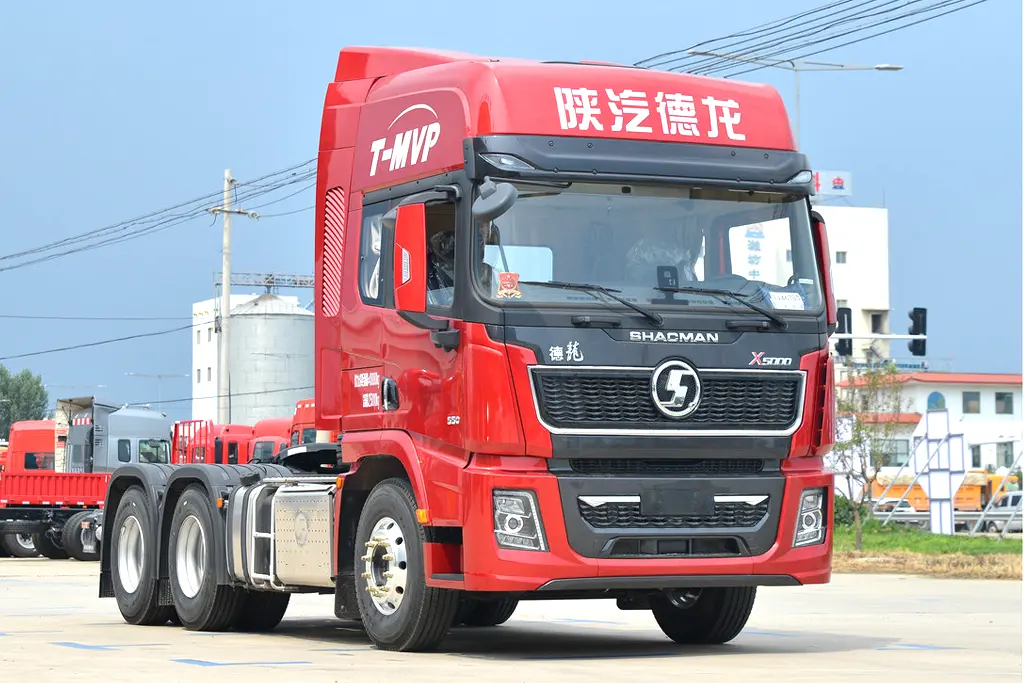
Shacman trucks in South Africa are worth considering for a wide range of commercial transportation applications, including long-distance freight, container transport, construction, mining, bulk material delivery and heavy-duty hauling.
SHACMAN offers several truck series, including the X3000, X5000, X6000, F3000, H3000 and L3000. Each series has different configurations and intended applications, allowing buyers to compare vehicles according to their operational requirements.
Whether you are searching for a Shacman tractor truck, a 6×4 dump truck, an 8×4 tipper truck or a medium-duty commercial vehicle, understanding the available models and specifications is an important first step.
This guide explains the main Shacman truck series, common configurations, technical specifications to compare and factors to consider when purchasing a truck in South Africa.
South Africa’s commercial transport sector serves many different industries, from domestic freight and regional distribution to mining, agriculture and infrastructure development. Different operating environments require different truck configurations.
When evaluating Shacman trucks for sale in South Africa, buyers should consider the following factors.
Shacman offers tractor units, tipper trucks, cargo truck chassis and other specialised commercial vehicle configurations. Buyers can compare 4×2, 6×4 and 8×4 layouts, depending on the model and application.
A 6×4 tractor unit may suit long-distance freight and semi-trailer operations, while an 8×4 tipper may be more appropriate for certain construction and bulk-material applications.
Depending on the model series and market specification, Shacman trucks are available with different engine power ratings. The South African market includes selected configurations from the X3000, X5000 and X6000 ranges, as well as other commercial truck series.
Selecting the correct power rating involves more than choosing the highest horsepower. Buyers should consider gross combination mass, road gradients, payload, average travel distance and the type of trailer or body fitted to the vehicle.
Shacman truck platforms can be configured for different working environments, subject to chassis specifications and bodybuilder requirements.
Typical applications include:
Long-distance freight and regional logistics
Container and general cargo transportation
Construction material delivery
Mining and quarry operations
Sand, gravel and aggregate transportation
Concrete mixer and other specialised vehicle applications
The suitability of a particular truck depends on its approved configuration, axle ratings, chassis design and intended operating conditions.
A truck’s purchase price is only one part of its total cost of ownership. Buyers should also compare fuel consumption, service intervals, tyre life, spare-parts availability, warranty coverage and the availability of qualified technicians.
For fleet operators, these factors can be as important as engine power when evaluating Shacman trucks in South Africa.
The Shacman X3000 is a heavy-duty truck series used for applications such as freight transport, tractor-trailer operations and selected construction-related work.
The series has been offered in multiple power ratings, including 420 hp, 430 hp, 450 hp, 480 hp and 560 hp in certain market configurations. Actual availability depends on the specific model and market.
Typical applications:
Regional and long-distance freight
Container transportation
General cargo and semi-trailer operations
Selected tanker and specialised transport applications
Specifications to check:
Engine power and torque
4×2 or 6×4 drivetrain, where offered
Manual or automated transmission
Axle ratio and axle load ratings
Fuel tank capacity
Gross combination mass
Cab configuration and driver comfort features
For buyers comparing a Shacman X3000 6×4 tractor truck, the correct axle ratio and transmission are particularly important. These components affect starting performance, cruising speed and suitability for different road conditions.
The Shacman X5000 is another heavy-duty truck series designed for demanding commercial transportation requirements. Selected South African market offerings include 440 hp and 480 hp variants.
Depending on the specification, the X5000 can be considered for freight operations and other applications requiring a heavy-duty truck platform.
Typical applications:
Long-distance and regional freight
Tractor-trailer transportation
General commercial logistics
Selected heavy-duty transport operations
When comparing Shacman X5000 trucks, buyers should verify the engine model, rated power, transmission type, axle configuration, braking system and permitted vehicle weights.
The correct specification should be selected according to the intended trailer, typical payload, operating distance and local road conditions.
The Shacman X6000 is positioned as a higher-end heavy-duty truck series, with selected configurations designed for demanding long-distance transportation.
Selected market specifications include 480 hp and 560 hp variants. Equipment can differ by model year and destination market.
Potential applications:
Long-distance highway freight
Interprovincial and regional transportation
Heavy-duty tractor-trailer operations
Fleet operations where driver comfort and vehicle technology are priorities
Depending on the configuration, features may include an automated transmission, advanced braking technology, driver-assistance systems and enhanced cab equipment.
Buyers should confirm which safety and electronic systems are fitted to the actual vehicle rather than assuming that every X6000 includes every available feature.
For fleet managers, the most important comparison is the complete operating package: engine and transmission matching, vehicle weights, fuel capacity, driver comfort, maintenance support and compatibility with the intended trailer.
The Shacman F3000 is a well-known heavy-duty truck series offered in different tractor, tipper and specialised chassis configurations.
Depending on the model, it may be considered for demanding work in construction, quarrying, mining support and bulk-material transportation.
Typical applications:
Sand and aggregate transportation
Construction site operations
Quarry and mining support
6×4 and 8×4 tipper applications, where available
Heavy-duty tractor-trailer work
For a Shacman F3000 dump truck, buyers should pay close attention to chassis ratings, axle configuration, suspension, ground clearance, body capacity and the suitability of the hydraulic tipping system.
An 8×4 configuration may provide a different load distribution and operating capability from a 6×4 configuration. However, the legal payload must be calculated using the actual vehicle tare mass, permitted axle loads and applicable vehicle regulations.
The Shacman H3000 is a versatile truck series available in selected medium- and heavy-duty configurations.
Depending on the specification, it may be suitable for regional cargo delivery, construction-related transportation and other commercial operations.
Potential applications include:
General cargo delivery
Regional distribution
Selected tipper applications
Concrete mixer chassis, where available
Commercial transport requiring a practical truck configuration
When comparing H3000 models, check the engine output, transmission, wheelbase, chassis dimensions, axle ratings and body compatibility.
The appropriate configuration depends on the required payload, route, loading frequency and operating environment.
The Shacman L3000 is a smaller commercial truck series within the wider SHACMAN product range. Selected versions are marketed for urban and intercity transportation.
It may be worth evaluating for businesses that need a commercial vehicle for shorter routes, local distribution or specific medium-duty applications.
Typical applications can include:
Urban cargo delivery
Regional distribution
Commercial goods transportation
Selected special-purpose body installations
Before purchasing, confirm the rated payload, gross vehicle mass, wheelbase, cab type, body dimensions and applicable licence requirements.
The following table provides a model-selection overview. It is not a substitute for a manufacturer specification sheet or an approved vehicle quotation.
| Shacman Series | Example Power Ratings | Potential Applications | Important Selection Factors |
| X3000 | 420, 430, 450, 480, 560 hp in selected versions | Freight and tractor-trailer operations | Transmission, axle ratio, fuel capacity |
| X5000 | 440, 480 hp in selected South African offerings | Heavy-duty freight and logistics | Engine specification, drivetrain, safety equipment |
| X6000 | 480, 560 hp in selected versions | Premium long-distance transport | Driver-assistance equipment, transmission, operating weights |
| F3000 | Varies by configuration | Tipper, construction, mining support | Chassis strength, axle ratings, body configuration |
| H3000 | Varies by configuration | Regional transport and selected work applications | Payload, wheelbase, drivetrain |
| L3000 | Selected versions include 240 hp | Urban and intercity commercial transport | Vehicle dimensions, rated payload, manoeuvrability |
Horsepower ratings, equipment and availability vary by model, market, production year and engine specification. Always confirm the exact vehicle data before ordering.
A 6×4 tractor truck has two driven rear axles and is commonly used for heavy-duty semi-trailer transportation.
Depending on the approved vehicle specification and operating conditions, a Shacman 6×4 tractor unit may be considered for:
Container transport
General freight
Regional distribution
Bulk cargo transportation
Long-distance logistics
When purchasing a Shacman 6×4 tractor truck, compare the following specifications.
Engine and transmission: Engine power, torque characteristics, gear ratios and transmission type should match the normal operating weight and road profile.
Axles and drivetrain: Axle ratings and final-drive ratios affect load capability and performance. Confirm whether the configuration is designed primarily for highway use, mixed operation or heavier-duty work.
Fuel capacity: Larger fuel tanks can reduce refuelling frequency, but actual fuel consumption depends on payload, speed, road conditions, driving behaviour and maintenance.
Braking system: Check the fitted service brakes, engine brake, retarder and electronic braking systems, where applicable.
Vehicle weights: Verify tare mass, gross vehicle mass and gross combination mass for the specific vehicle. The permitted payload depends on the complete combination and the applicable legal limits.
Dump trucks and tipper trucks are widely used in construction, aggregate transportation and related industries.
A 6×4 tipper may suit some general construction and bulk-material applications, while an 8×4 configuration may be appropriate when the job requires a different axle arrangement or greater chassis capacity.
The correct choice depends on the material being transported, loading equipment, road conditions, site access and legal weight limits.
When evaluating a Shacman dump truck, consider:
Engine power and transmission
Front and rear axle ratings
Chassis and suspension specifications
Tipper body material and volume
Hydraulic lifting system
Tyre specification
Ground clearance
Tare mass and legal payload
Availability of maintenance and replacement parts
A larger tipper body does not automatically mean a higher legal payload. The weight of the body and the density of the transported material must be included in the calculation.
The best truck for your business is the one that matches your daily work, legal operating requirements and total cost objectives.
Start by identifying whether you need a tractor unit, tipper truck, cargo truck or specialised chassis. Each application has different requirements.
Estimate the typical cargo weight and operating frequency. Confirm permitted axle loads, vehicle mass limits and the weight of the trailer or body.
A vehicle operating mainly on highways may require a different drivetrain and axle ratio from a truck working on steep gradients or construction sites.
Request realistic fuel-consumption information for comparable operating conditions. Also review service schedules, warranty terms and the availability of suitable spare parts.
Before committing to a purchase, confirm that the exact vehicle configuration meets the applicable South African requirements for registration, road use, emissions where applicable, dimensions, braking and vehicle mass.
A useful quotation should identify the model, engine, horsepower, drivetrain, transmission, cab, tyre specification, included equipment, delivery terms and warranty conditions.
For imported vehicles, buyers should also confirm the applicable import, customs, documentation and delivery arrangements.
The price of a Shacman truck in South Africa depends on the model, engine output, drivetrain, body configuration, equipment level, vehicle availability and purchase terms.
A tractor unit and a complete tipper truck should not be compared as if they were the same product. The body, hydraulics, tyres, accessories, taxes, delivery and other charges can materially affect the final price.
To obtain a meaningful quotation, buyers should specify:
Required Shacman model and horsepower
4×2, 6×4 or 8×4 configuration
Tractor unit, tipper or other body type
New or used vehicle preference
Intended application and payload
Delivery location in South Africa
Required delivery schedule
Rather than relying on an outdated online price, request a current quotation based on the exact specification and delivery requirements.
The X3000, X5000 and X6000 series are worth comparing for heavy-duty freight and tractor-trailer applications. The best choice depends on the engine specification, transmission, axle ratio, operating mass and required equipment.
The F3000 and selected other Shacman chassis configurations may suit construction and tipper applications. Confirm the exact chassis, axle ratings, body installation and intended operating conditions.
A suitably specified 6×4 tractor unit can be considered for container and other semi-trailer operations. Confirm the permitted combination mass, fifth-wheel specification, axle ratings and compatibility with the trailer.
Selected market offerings include X3000 models rated at 420, 430, 450, 480 and 560 hp; X5000 versions at 440 and 480 hp; and X6000 versions at 480 and 560 hp. These are examples rather than a guarantee of current stock or universal availability.
Request quotations for the same model year, engine output, drivetrain, transmission, equipment and delivery terms. Compare the complete vehicle cost and warranty conditions, not only the advertised starting price.
Consult the manufacturer’s official product information and the specification sheet for the exact model being offered. Ask the seller to confirm the engine code, rated power, transmission, axle configuration, fuel capacity, vehicle weights and applicable compliance documents.
Choosing the right heavy-duty truck starts with understanding your transport requirements. Whether you are comparing a Shacman X3000 tractor truck, an X5000 freight truck, an X6000 long-distance tractor unit or an F3000 tipper, the correct specification should be based on your workload, operating conditions and budget.
Contact our sales team to discuss your requirements for Shacman trucks in South Africa.
Please provide your preferred model, horsepower, drivetrain, application, quantity and delivery location so that the appropriate configuration and quotation can be prepared.
Our team can help you review available vehicle options and identify the technical information required to make an informed purchasing decision.


© SHACMAN BY MRWL